

THE BLOG
Empowering families, one article at a time.
Blog Posts about Anxiety, Emotional Regulation, ADHD, and More.
We’re breaking down the evidence behind psychology, neuroscience, and child development to give you practical strategies and build your understanding.
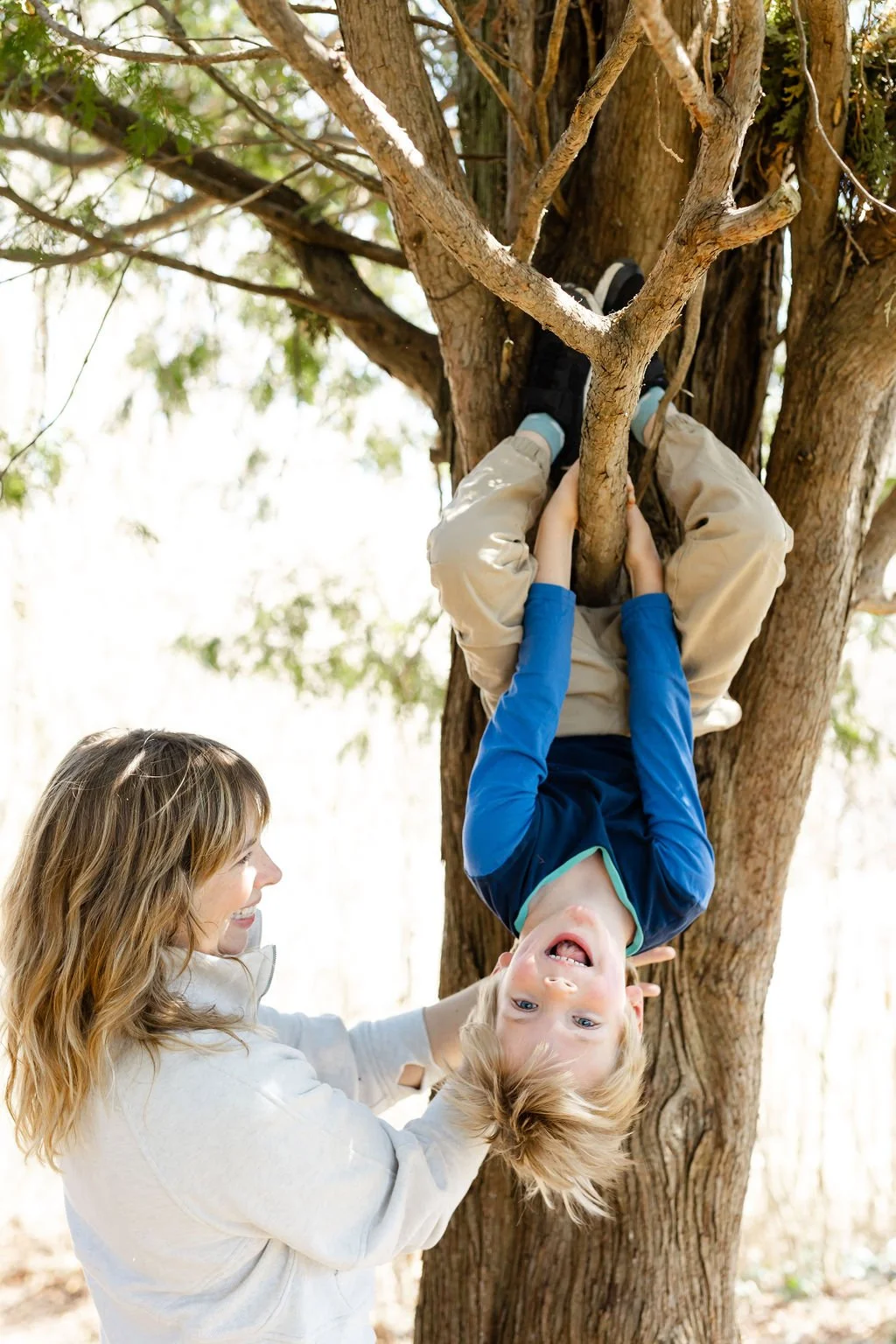
What Is Proprioceptive Input and How Can It Help My Child Stay Regulated?
Proprioception is a little-known sensory system that is an absolute powerhouse when it comes to supporting focus, sensory sensitivities, and emotional regulation. Read on to learn more about this amazing sense, how to know if you child needs more proprioceptive input to support their function, and some at-home activities that you can try today!

Self-Regulation Essentials for Parents: Supporting you to support your child
Often parents come to us for help because they’re looking to support their child’s self-regulation skills (this is very valid!), but today we’re going to start by exploring our own self-regulation skills.
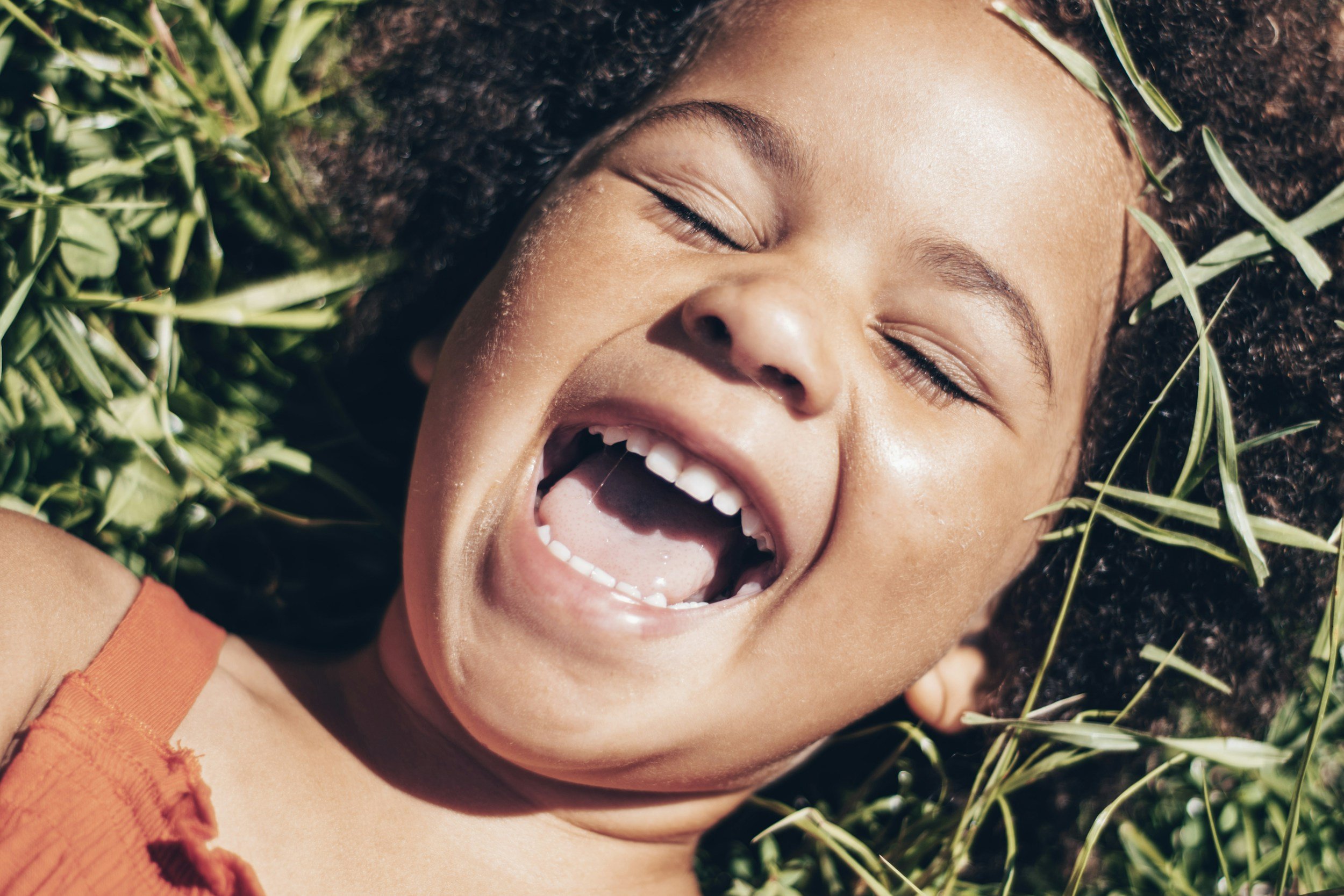
Self-Regulation: What Is It, Why Is It Important, and How Can You Support It?
Parenting a child who struggles with self-regulation can feel like navigating stormy waters. In this blog, we delve into what self-regulation means and why it's crucial for your child’s development. Discover practical strategies to help your child manage emotions, focus better, and build resilience. Embrace these tools to create a calmer, more supportive environment at home.

Why the Holidays can be Stressful for your neurodivergent, anxious, or highly sensitive child
The holidays are a time of joy and excitement, but for neurodivergent, anxious, and highly sensitive kids it can also be a time of increased stress and meltdowns. Here we’ll explore why the holidays might be harder for your child, and 4 specific strategies you can use to make your holiday season more joyful!

What to do about after school meltdowns
Let’s talk about after school restraint collapse - what is it, how we can better understand it (so that we can keep regulated ourselves in the face of those big after school feelings), and how we can support our kids through it